The winter quiet of Minneapolis was broken on a Tuesday afternoon when gunfire ended the life of 37-year-old Renee Nicole Good, just blocks from her home. What began as a local tragedy quickly widened into a national fault line, exposing unresolved tensions over immigration enforcement, federal authority, and the limits of state power. As the city entered mourning, Good’s death was swiftly absorbed into political argument, transforming a woman’s final moments into a symbol within America’s fractured discourse.
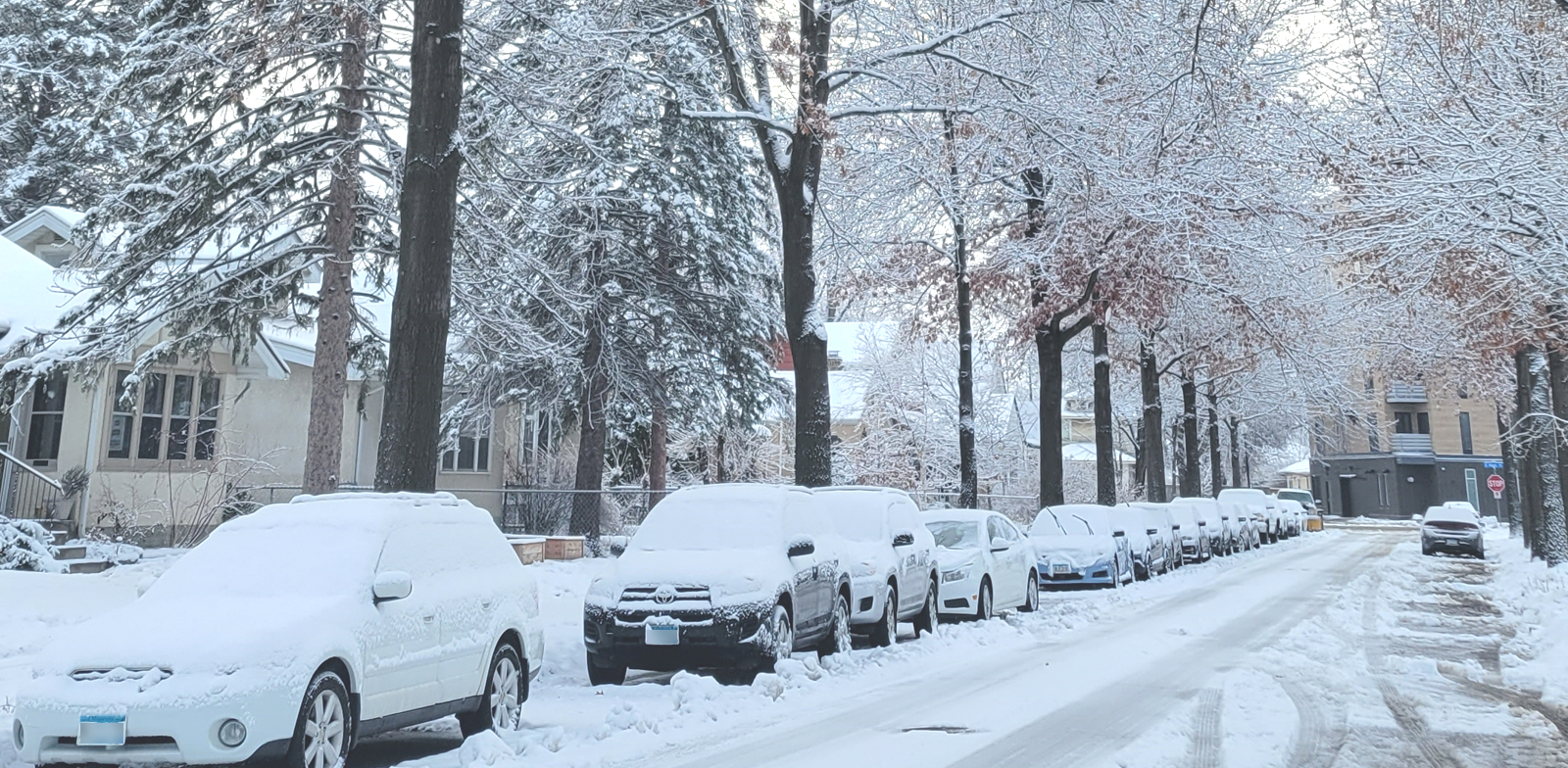
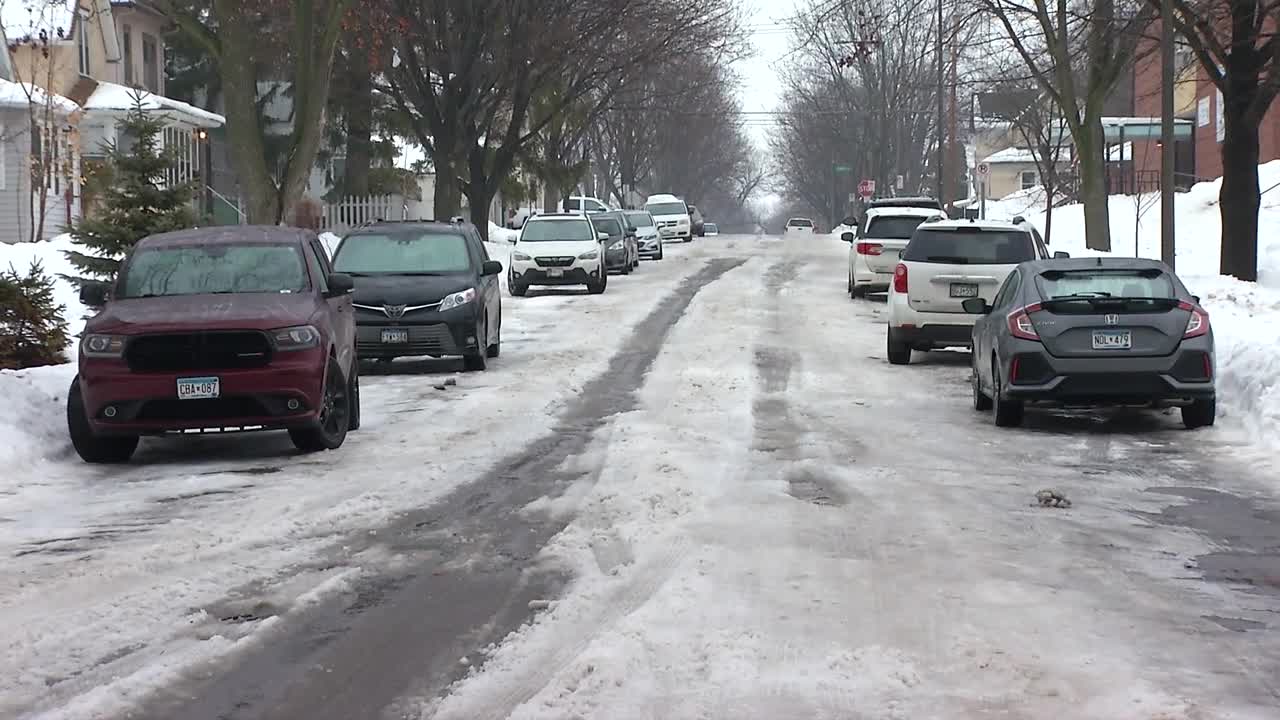
Preliminary reports and circulating bystander footage appeared to show agents from Immigration and Customs Enforcement attempting to intercept Good’s vehicle during a rapidly escalating encounter. Tactical vehicles, flashing lights, and shouted commands filled the residential street before shots were fired into the car. Within moments, Good was dead. The footage spread online almost immediately, shaping public opinion long before investigators could establish a complete and verified sequence of events. For many viewers, the images alone felt sufficient to confirm long-held fears about the use of force by federal agencies operating inside civilian neighborhoods.
Amid the growing outrage, Good’s mother, Donna Ganger, emerged as a grieving voice urging restraint. She described her daughter as kind, compassionate, and uninvolved in political activism—simply a woman going about her day. Her plea was not an attempt to steer policy or assign blame, but a request for dignity: that Renee be remembered first as a human being, not as a symbol.
Political reactions hardened quickly. Progressive leaders, including Representative Alexandria Ocasio-Cortez and Minneapolis Mayor Jacob Frey, condemned the shooting, with Frey calling for a halt to ICE operations in the city. In contrast, President Donald Trump and the Department of Homeland Security defended the agents’ actions, framing the incident as lawful self-defense. Vice President JD Vance echoed that position, calling the death tragic while assigning responsibility to Good’s actions.
As investigations continue, Minneapolis remains tense and divided. Yet beneath the political warfare lies a simpler and heavier truth: a family is grieving, and a city has been reminded that unresolved conflicts over authority and enforcement do not remain abstract. They arrive suddenly, carried by sirens and silence, and leave wounds that no statement can undo.
In moments like this, restraint becomes a moral act. Justice is not served by rushing meaning onto bloodstained pavement, nor by erasing the dignity of the dead in service of argument. Whatever conclusions emerge, they cannot alter what came first—a life ended, a silence left behind, and a shared responsibility to ensure that power, when exercised, does not forget the fragile human lives beneath it.