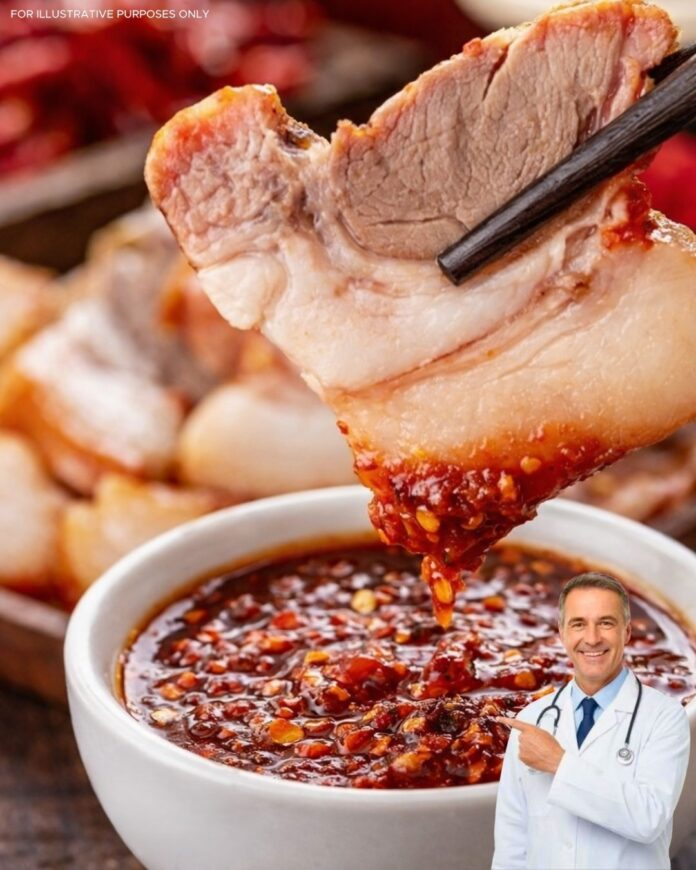
Pork appears on tables all over the world. From breakfast bacon to Sunday roasts, it is woven into everyday meals for millions of families. But what actually happens inside your body when pork becomes a regular part of your diet?
According to doctors and nutrition specialists, pork itself is not the problem. The real impact depends on how often you eat it, which cuts you choose, and how it is prepared. When handled wisely, pork can offer real nutritional benefits. When eaten carelessly or excessively, it can quietly increase health risks over time.
Here is a clear, science-based look at how regular pork consumption affects the body, both positively and negatively.
Pork Provides High-Quality Protein the Body Needs
One point doctors agree on is that pork is rich in complete protein.
Protein plays a vital role in:
Maintaining muscle strength
Repairing tissues
Supporting immune function
Helping you feel full after meals
Lean cuts such as pork tenderloin or pork loin offer protein levels comparable to chicken or beef. For older adults, this can be especially important, since muscle mass naturally declines with age.
Medical professionals often emphasize that pork contains all essential amino acids. These are nutrients the body cannot make on its own and must get from food.
Pork Is a Strong Source of B Vitamins
One of pork’s biggest nutritional advantages is its vitamin profile.
When eaten regularly in moderate amounts, pork supplies:
Vitamin B1, also known as thiamine, which supports nerve function and energy production
Vitamin B6 and B12, which contribute to brain health and red blood cell formation
Zinc, important for immune response and wound healing
Selenium, which supports thyroid function
Doctors often point out that pork is one of the richest natural sources of thiamine. Many people do not get enough of this vitamin, especially as they age.
Heart Health Depends on the Type of Pork You Eat
This is where doctors urge caution.
Pork can support heart health when:
Lean cuts are chosen
Cooking methods include baking, grilling, roasting, or steaming
Meals are balanced with vegetables and whole grains
However, pork may increase heart risk when:
Processed products such as bacon, sausage, and ham are eaten frequently
Meals are high in saturated fat and sodium
Portions are large and eaten often
Medical studies consistently show that diets high in processed pork are linked to higher LDL cholesterol levels and elevated blood pressure. Over time, this can raise the risk of heart disease.
Doctors stress that the issue is not pork itself, but processing, preparation, and portion size.
Inflammation Can Increase With Frequent Fatty Pork Intake
Some health professionals note that pork contains arachidonic acid, a fatty acid involved in inflammatory responses.
In moderation, this is not harmful. Problems arise when fatty or processed pork is eaten daily, especially alongside refined carbohydrates and sugary foods.
This pattern may contribute to:
Low-grade chronic inflammation
Joint stiffness or discomfort
Worsening of existing inflammatory conditions
Pairing pork with fruits, vegetables, olive oil, and other antioxidant-rich foods can help counteract this effect and support overall balance.
Digestive Comfort Depends on Quality and Cooking
Most people digest fresh, well-cooked pork without difficulty.
Doctors caution against:
Undercooked pork
Improperly stored pork
Highly processed pork products
These can increase the risk of digestive upset or foodborne illness. Preservatives and additives in processed meats may also disrupt gut balance in sensitive individuals.
If pork meals leave you feeling bloated or heavy, experts often recommend switching to lean cuts and simpler cooking techniques.
Pork Does Not Automatically Cause Weight Gain
Eating pork regularly does not guarantee weight gain.
Doctors explain that body weight is influenced by:
Total calorie intake
Fat content of the cut
Cooking method
Overall dietary pattern
Fried pork, fatty cuts, and processed products are calorie dense and easy to overeat. In contrast, lean pork in controlled portions can fit well into a weight-conscious eating plan.
A common recommendation is to treat pork as a protein component of a meal, not the main focus of the plate.
Long-Term Health Risks Come From Excess, Not Moderation
Medical professionals emphasize that health concerns arise when pork is eaten:
Every day
Mostly in processed forms
In large portions
Long-term excessive intake of processed pork has been linked to increased risk of cardiovascular disease, metabolic problems, and other chronic conditions.
Variety and moderation remain the strongest protective factors.
What Doctors Generally Recommend
For those who enjoy pork, most doctors do not advise eliminating it entirely. Instead, they suggest practical guidelines:
Choose lean cuts whenever possible
Limit processed pork to occasional use
Use healthier cooking methods
Balance meals with fiber-rich vegetables
Keep portion sizes reasonable
Eating pork regularly can support good nutrition or quietly increase health risks. The difference lies in quality, preparation, and balance.
When pork is fresh, lean, properly cooked, and eaten in moderation as part of a varied diet, it can be a valuable source of protein and essential nutrients. When consumed frequently in processed or fatty forms, it may contribute to long-term health concerns.
As with most foods, thoughtful choices matter more than complete restriction.