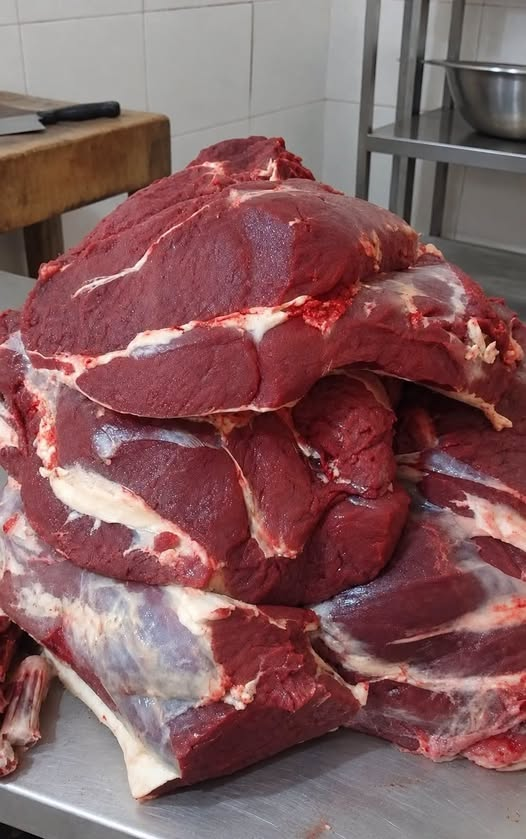
Walking through the meat aisle, it’s easy to assume that the brightest red package must be the freshest. The lighting is carefully designed, the trays are neatly arranged, and the meat is presented in a way that naturally catches your attention.
But color alone doesn’t tell the whole story.
Fresh beef can sometimes appear dark red or even purplish, particularly when it has been freshly cut or stored in vacuum-sealed packaging. This happens because of the way oxygen interacts with the pigments in the meat. Once the surface is exposed to oxygen, the color can change to the bright cherry-red shade that shoppers commonly associate with freshness.
That means a darker appearance doesn’t necessarily indicate that beef is spoiled.
At the same time, the opposite is also important: a bright red color doesn’t guarantee that meat is fresh or safe. Store lighting, packaging methods, and controlled-atmosphere packaging can influence how meat looks on the shelf. These practices are often used to maintain presentation and product quality, but they also show why appearance shouldn’t be your only guide.
Instead, shoppers should look at several factors before making a purchase.
Check the package carefully for its date information and make sure the wrapping isn’t torn, leaking, badly damaged, or unusually swollen. Excess liquid inside a package can also be a reason to choose another product, particularly when combined with other signs of poor handling.
Once you bring meat home, proper storage becomes just as important. Keep it refrigerated, handle it promptly, and prevent raw meat from coming into contact with foods that are ready to eat.
If meat develops a strong unpleasant odor or a noticeably slimy or sticky texture, don’t try to cook it just to see whether it’s still acceptable. When in doubt, throwing it away is the safer choice.
The next time you stand at the meat counter, don’t let color make the decision for you. Understanding how oxygen, packaging, lighting, and storage affect meat can help you become a more informed shopper—and make safer choices for your household.
Have you ever been surprised by how different fresh meat can look depending on the packaging? Share your experience in the comments.